
International Women’s Day saw clubs putting their women’s teams front and centre. There were powerful message from the Newcastle University Woemen’s Football Club (NUWFC) as they successfully secured their position in the British Universities and Colleges Sport (BUCS) league, and despite a few numbers of audeinces attended the match to show their support.
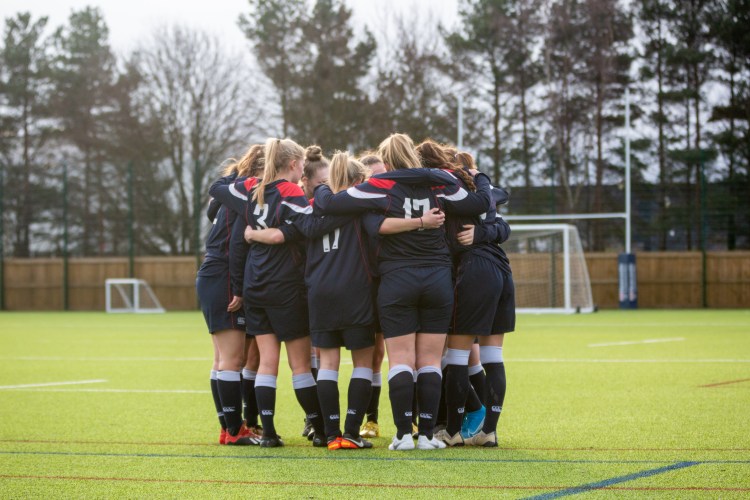
“Men’s sport got more publicity, but there is a lack of promotion in women’s sport.” Alice and Rhianne, the young footballers from the NUWFC, spoke to reporter that that the feminisation of football and sport face are enormous and strong inequalities persist.
Although equality in sport may seem trivial alongside the wider issues faced by women in society, how women view themselves, how they move and how they interact with their bodies says much about their position in, and relationship to, society. That is why it is no accident that in the Commons IWD debate both sides referenced sport in their wider discussion on equality, and in particular a need for greater equality for female footballers as the game develops. Because fit, confident, healthy, empowered women who have reaped the rewards of team sport are proven to do better in workplace teams, in boardrooms and will challenge things.
On such an important day for women globally, those supported and invested in women’s football promote both the game and those who have fought over the years for the right t o play. Because if you look beyong the newest generation of players, every woman that has laced up boots in the past century has done so against a backdrop of hostility.
The growth of women’s football in England in recent years is to be applauded but there is still a mountain to climb if it is going to claw back to the height it reached before the FA’s 50-year ban in 1921.

And it is clear that although there are plenty of good initiatives, from school to adulthood, football – and society – is not doing enough to engage women with sport and transform attitudes.
Because even those at the top of the game still find that being a professional is a struggle. In 2017, a FifPro survey of women footballers revealed that 88% of Women’s Super League players earn less than £18,000 per year and that 58% have considered quitting for financial reasons. There are huge resources within football and yet a majority of top professional women footballers are paid less than the top Fifa eSports players – the top 10 earning an average of £55,911 in 2017 – despite women’s football providing the biggest pound-for-pound return on FA investment.
Money holds the power in football. It’s the elephant in the room for growth in the game. Until those in charge of women’s football are willing to challenge the power and financial muscle of the Premier League, TV rights deals and wealthy club owners and stand up against the idea that football should be run for profit instead of serving the communities they grew from, then pushes towards equality will get only so far and women’s football will have to continue surviving off crumbs from the table.
So although we can and should celebrate the gains being made, it is important to remember how empowering sport and football can be, and why those looking to cling on to the status quo fear the rise of active, empowered, sport-playing women.
A brief history of women’s football in the UK
1895: The first women’s football match. North beat South 7-1.
1920: The biggest crowd to date for a women’s game. On Boxing Day, 53,000 watch Dick Kerr’s Ladies beat St Hele’s Ladies 4-0.
1921: The FA bans women from playing on Football League grounds.
1971: The FA Council lifts the ban which forbade women playing on the grounds of affilated clubs.
1995: Newton Ladies FC are a founding member of the FA Women’s Super League which began in April 2011.
2015: England won bronze at the FIFA Women’s World Cup in Canada and inspired an army of Young Lionesses to take up the game.
2017: FA pledges to double number of women involved in football by end of the decade.
 SPORT INDUSTRY 101